Pentateuch and Daniel
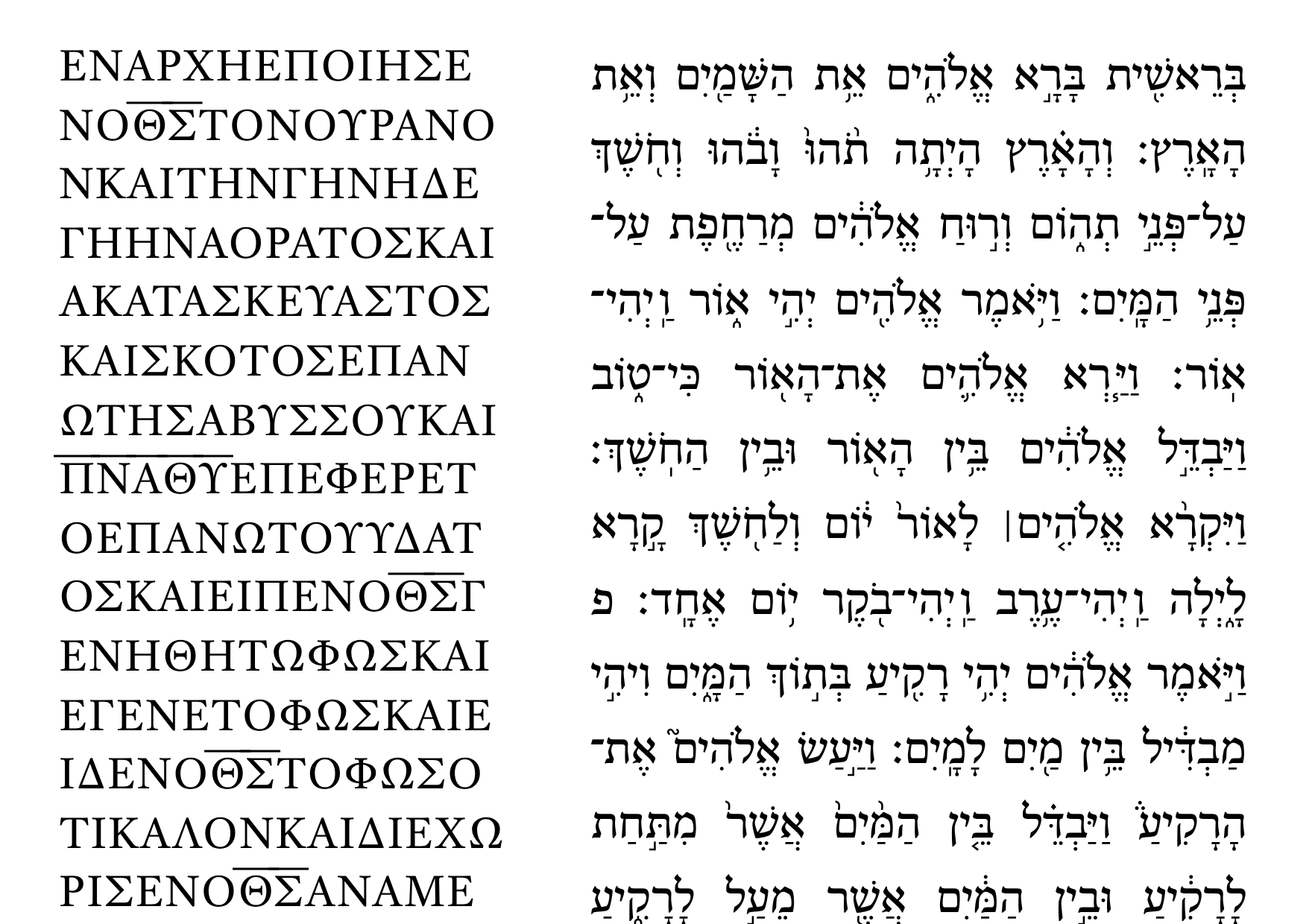
My primary texts in the Hebrew Bible, read in Hebrew and Aramaic: among them the sanctuary and holiness texts of the Pentateuch and the visions of Daniel.
Statement. My research is in biblical theology and exegesis. I begin with the text in its own languages and test the scholarly consensus where the text warrants it. Biblical-theological questions, such as how the sanctuary theme develops from the Pentateuch through the Prophets to the New Testament, follow that exegetical work, and pastoral application rests on both. Computation is both a research project of its own and one of my tools.
My primary texts in the Hebrew Bible, read in Hebrew and Aramaic: among them the sanctuary and holiness texts of the Pentateuch and the visions of Daniel.
What does it mean that the Son “learned obedience” and was “made perfect”? What did he ask for in Hebrews 5:7, and how was he heard?
The Apocalypse is full of sanctuary imagery: altar, incense, ark, open temple. I study the book’s temporal dimension and how that imagery carries its argument.
The tabernacle was built to a heavenly pattern; Daniel, Hebrews, and Revelation return to that pattern. I argue that the heavenly-earthly sanctuary service is the Bible’s own hermeneutical center: the key for reading Scripture as a whole.
When the biblical message is carried into a new culture, what may change, and what may not? I argue that the pattern of creation, cross, and new creation answers that question. The principles at work where nothing resists God (in creation before the fall, at the cross, and in the new creation) do not change, and they give pastors and churches fixed points for telling what may adapt to a modern culture from what may not. More on the For Pastors page.
A topic in sanctification in the Hebrew Bible, studied through syntax and semantic domains.
Zechariah 3:9 and the stone laid before Joshua (MA thesis, 2024).
The Anguish of the Flesh: Reassessing Jesus’s Prayer and Deliverance from Death in Hebrews 5:7
The Heavenly-Earthly Sanctuary Service as the Biblical Hermeneutical Center
What Bends and What Never Moves: Carrying Christ’s Method Into a New Culture
The Volitional Perfection of Jesus in Hebrews: A Proposal and Critique of Existing Views
The Polyvalent Stone Laid Before Joshua in Zechariah 3:9: An Exegetical and Intertextual Study